
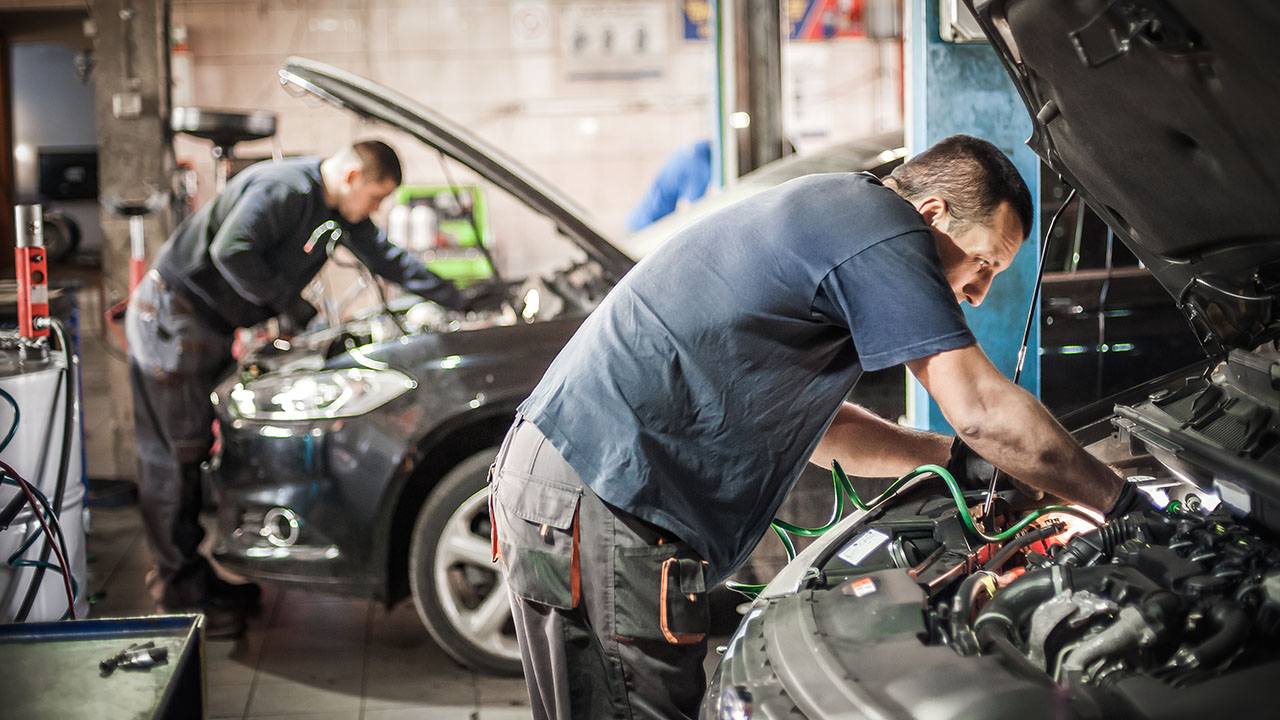

Working on your own vehicle can be rewarding, cost-effective, and educational. However, car repair without proper safety practices can quickly become dangerous. Whether you are performing basic maintenance or tackling a more involved repair, understanding and applying essential safety measures protects both you and your vehicle. The following guide outlines practical, real-world safety practices every vehicle owner should follow when working on a car.
Understand the Repair Before You Start
Before touching a wrench or lifting the hood, make sure you fully understand the task at hand. Guesswork is one of the most common causes of automotive injuries.
Preparation reduces risk and mistakes, especially for beginners.
-
Read the vehicle manual carefully
-
Watch reputable repair demonstrations if needed
-
Confirm you have the correct tools and replacement parts
-
Know when a job is beyond your skill level
Work in a Safe and Organized Environment
A cluttered or poorly lit workspace increases the chance of accidents. Your environment matters just as much as your tools.
Create a controlled workspace by focusing on visibility and organization.
-
Work on a flat, stable surface
-
Ensure proper lighting from multiple angles
-
Keep tools off the ground to avoid tripping
-
Ventilate the area, especially when working indoors
Use Proper Safety Gear at All Times
Personal protective equipment is not optional when working on a vehicle. Even minor repairs can expose you to chemicals, sharp edges, and moving parts.
Essential safety gear includes:
-
Safety glasses to protect eyes from debris and fluids
-
Mechanic gloves to prevent cuts, burns, and chemical exposure
-
Closed-toe shoes with good traction
-
Hearing protection when using power tools
Never Rely on a Jack Alone
One of the most critical safety rules in car repair is proper vehicle support. Hydraulic jacks are designed for lifting, not holding weight.
Always secure the vehicle before working underneath it.
-
Use high-quality jack stands rated for your vehicle’s weight
-
Place stands on solid contact points recommended by the manufacturer
-
Test stability by gently shaking the vehicle before entering underneath
-
Engage the parking brake and use wheel chocks
Disconnect the Battery When Necessary
Electrical systems can pose serious risks if handled carelessly. Accidental short circuits can cause burns, fires, or damage to sensitive components.
Disconnect the battery when:
-
Working on electrical components
-
Replacing sensors or alternators
-
Performing fuel system repairs
-
Welding or using high-current tools
Always remove the negative terminal first and reconnect it last.
Handle Fluids and Chemicals With Care
Vehicles contain multiple hazardous fluids that require cautious handling. Exposure can cause skin irritation, burns, or long-term health issues.
Common automotive fluids that require caution:
-
Engine oil
-
Brake fluid
-
Coolant and antifreeze
-
Transmission fluid
-
Fuel and solvents
Use sealed containers for disposal and clean spills immediately to prevent slips and contamination.
Avoid Working on a Hot Engine
Heat-related injuries are common in automotive repair. Components such as exhaust manifolds, radiators, and engines retain heat long after the vehicle is turned off.
Allow the engine to cool fully before beginning work, especially when dealing with cooling systems or exhaust parts.
Keep Fire Safety in Mind
Car repairs often involve flammable materials and sparks. Fire safety should never be an afterthought.
-
Keep a fire extinguisher rated for automotive use nearby
-
Avoid open flames or smoking near fuel systems
-
Store rags soaked with oil or chemicals in fire-resistant containers
-
Disconnect power sources when working near fuel lines
Know When to Stop and Ask for Help
Not every repair should be handled at home. Recognizing your limits is a sign of responsibility, not inexperience.
Seek professional help if:
-
You lack specialized tools
-
The repair involves airbags or high-voltage systems
-
Structural or brake system integrity is compromised
-
You feel unsure at any stage of the process
FAQ
Is it safe to repair a car at home without experience?
Yes, for basic maintenance tasks, but only if you follow safety procedures, research the repair thoroughly, and use the correct tools.
What is the most common cause of car repair injuries?
Improper vehicle support, especially relying on a jack without jack stands, is one of the leading causes of serious injuries.
Do I really need safety glasses for small repairs?
Yes. Even minor repairs can cause debris, fluid splashes, or metal fragments to reach your eyes unexpectedly.
How long should I wait before working on a hot engine?
It is best to wait at least 30 to 60 minutes, depending on driving conditions and engine size, to avoid burns.
Can household tools be used for car repairs?
Household tools may work for very basic tasks, but automotive-specific tools are safer and reduce the risk of damage or injury.
Is disconnecting the battery always necessary?
Not always, but it is strongly recommended when working on electrical, fuel, or engine management systems.
What should I do if I spill automotive fluids?
Clean spills immediately using absorbent materials and dispose of waste according to local environmental regulations.

Comments are closed.