
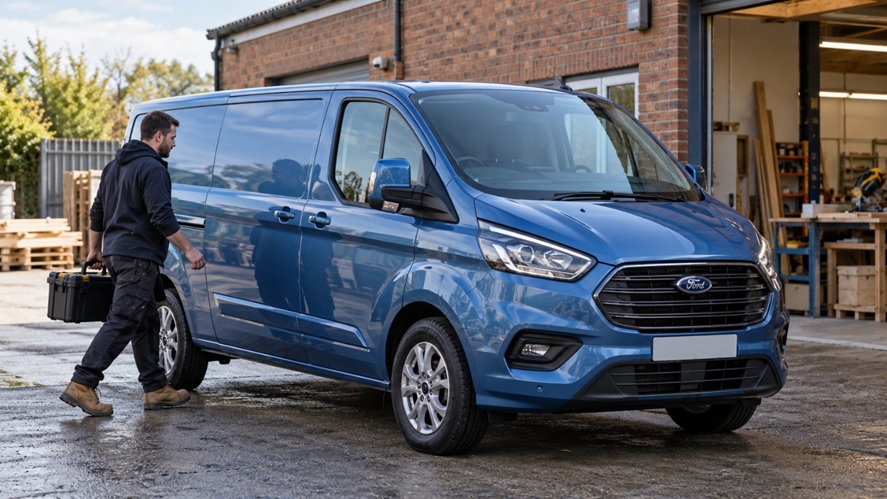

Monday involves six local appointments. Tuesday brings a motorway journey with a full load of equipment. By Friday, another member of the team needs a lift to site. For businesses with this kind of changing schedule, choosing a ford van lease requires a closer look at the working diary. The vehicle needs to handle the jobs that happen regularly, while the agreement should reflect how far it travels and how it will be used.
A useful way to approach the decision is to walk through a representative week. Each day reveals something different about the van you need.
Monday: The Local Appointment Round
Picture a maintenance engineer visiting homes and small commercial premises. There are tools to carry, replacement parts to organise and several streets where parking takes patience.
Here, external dimensions deserve as much attention as load space. A vehicle that accommodates every possible item may also be awkward outside customers’ houses.
Ford’s smaller commercial models, such as the Transit Courier and Transit Connect, are worth investigating where the regular load is modest. The important step is to check the exact version against your equipment, rather than deciding from the model name alone.
Think about each stop. Can the driver reach common parts through the side door? Is there room to open the rear doors in the places where the van usually parks? Does the seating position provide comfortable visibility?
These details become familiar within days of taking delivery. They deserve attention before signing.
Tuesday: The Longer Run
A longer journey changes the priorities. The driver may spend several hours in the cab before beginning the physical part of the job.
Seat adjustment, driving position, ventilation and storage for everyday items all become relevant. A short test drive should include time to adjust the seat properly and try the controls.
If motorway work is routine, discuss the normal load and journey pattern when assessing engines and gearboxes. Avoid choosing solely from an empty demonstration vehicle’s performance.
The same applies to powertrain decisions. Anyone considering an electric or plug-in hybrid version should examine charging arrangements, typical distances and the effect of demanding days. Access to a dependable charging point is a practical question to resolve before delivery.
Tuesday’s lesson is simple: the van must suit the journey as well as the destination.
Wednesday: The Heavy Equipment Job
Midweek brings the largest regular assignment. Machines, materials and several substantial tool cases need to travel together.
This is where the distinction between space and weight matters. A load may fit neatly while still being unsuitable for a particular vehicle’s carrying limits.
Check the payload information for the exact derivative, allowing for people, fitted storage and accessories. Measure the equipment that dictates your layout, especially long or unusually shaped items.
A Transit Custom might be a candidate for mixed trade work, while a larger Transit could enter the shortlist where regular loads require more room. Neither name establishes suitability by itself; body configuration and specification still need checking.
Before requesting quotes from SwissVans.com, prepare a short loading brief:
- The dimensions and approximate weights of essential equipment.
- The number of occupants travelling regularly.
- Any proposed racking, roof equipment or other fittings.
- Items that must remain accessible throughout the day.
That gives the conversation a practical starting point and helps avoid choosing a vehicle around photographs.
Thursday: The Team Travels Together
An additional passenger can expose a compromise that a solo driver never notices.
If several people regularly travel to the same site, investigate the seating configuration and how it affects the load area. A double-cab arrangement may deserve consideration, but the remaining cargo space must still accommodate the work.
Distinguish a recurring need from an occasional inconvenience. Carrying extra seats throughout the agreement may be worthwhile for a team travelling together every week. It may offer less value when the requirement arises only a few times each year.
Consider personal belongings too. Work bags, jackets and lunch boxes need somewhere sensible to go without obstructing access or becoming loose items around the cab.
The most useful seating arrangement is the one that works with a realistic load and a full complement of people.
Friday: Review the Mileage and the Agreement
By the end of the week, the diary should provide more than a preferred vehicle size. It should also reveal the distance the business actually covers.
Use mileage records across several months where possible. Include collection runs, return visits and seasonal changes. One quiet week is a poor basis for an agreement lasting several years.
Ask the provider to explain the proposed mileage allowance, any excess-mileage charges and whether adjustments are possible during the term. Get the answers in writing.
Review the initial rental, subsequent payments, agreement length and any fees together. Ask separately about servicing, maintenance, tyres and breakdown support rather than assuming they are included.
Also clarify permission for racking, signage or security equipment, along with any removal or reinstatement requirements. For a return-based agreement, request the applicable vehicle-condition guidance before work begins.
Choose for the Week You Actually Run
After this exercise, you should be able to describe your requirements without naming a model: two occupants, frequent residential visits, a particular equipment load and a documented annual mileage.
That description makes a stronger buying brief than a preferred trim level or an appealing monthly figure.
Allow for credible changes, such as a confirmed contract or planned recruit, while keeping everyday work central to the decision. A well-chosen Ford van lease should accommodate the journeys, loads and people already in your diary—and make the next working week easier to organise.

Comments are closed.