

Introduction
Logistics sits quietly at the center of civilization’s greatest advances. Though its operations unfold largely behind the scenes, logistics orchestrates the movement that binds countries, bridges markets, and choreographs the daily dance of commerce. In an era marked by digital transformation and heightened social responsibility, logistics has grown into a field where insight meets innovation and every well-timed delivery is an invisible thread in the fabric of progress.
Defining Logistics: More Than Moving Goods
At its essence, logistics is the art and science of getting the right product to the right place, at the right time, and in the right condition. Yet, the true definition reaches beyond trucks on highways and stacked containers on distant shores.
Core Dimensions of Logistics
-
Network Design: Crafting the circulatory system of supply chains, optimizing for time, cost, and resilience.
-
Transportation: The calibrated movement of goods across land, sea, and air—each route dictated by strategic calculation.
-
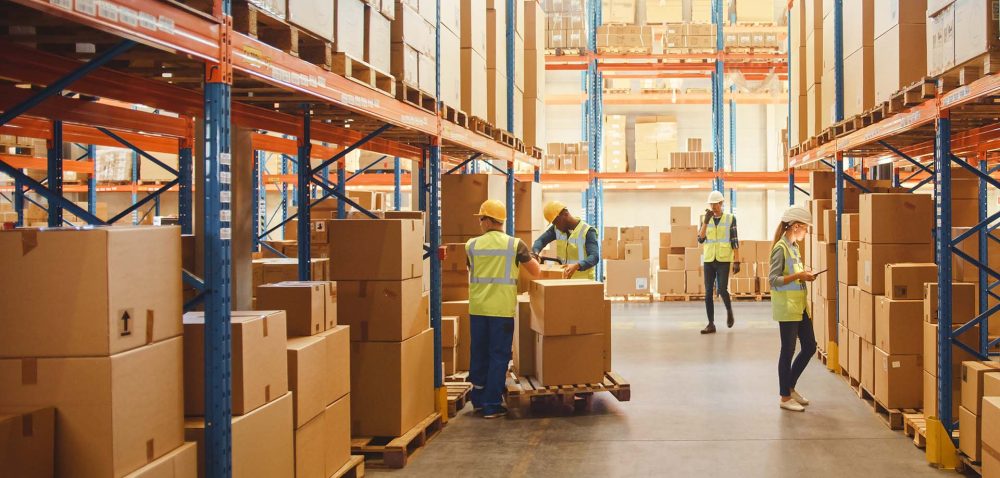
Warehousing and Inventory: Harmonizing demand and supply, streamlining storage for just-in-time efficiency and minimal waste.
-
Order Fulfillment: Connecting digital signals with physical action to ensure satisfaction with every delivery.
-
Visibility and Data: Leveraging real-time tracking, predictive analytics, and transparent communications to maintain control amidst complexity.
The Evolution of Logistics: A Journey Through Time
Logistics is as old as trade itself, its roots found in the caravans and galleys of ancient empires. Over centuries, the discipline has expanded in scope and sophistication.
Key Historical Milestones
-
Early Trade Routes: Camel caravans and wooden ships set the foundation, mapping the world’s first supply chains.
-
Industrial Revolution: The advent of locomotives, steamships, and telegraphy shrank continents, multiplying the pace and reach of global commerce.
-
Information Age: Barcodes, satellites, and the internet bestowed real-time synchronization, turning logistics into a realm of strategic agility and precision.
-
Current Era: Artificial intelligence, robotics, and big data empower logistics professionals to anticipate, adapt, and orchestrate seamless flows in a volatile world.
The Modern Makeover: Technology as a Game Changer
Today’s logistics is powered by a fusion of smart systems and human acuity.
Technological Pillars
-
Automation and Robotics: Robots sort, pick, and pack alongside humans, reducing error and accelerating processes in sprawling fulfillment centers.
-
IoT and Sensors: Smart tags track temperature, location, and integrity of goods, making transparency the rule, not the exception.
-
Machine Learning: Algorithms analyze volumes of historical and live data—boosting route efficiency, forecasting demand, and mitigating risk.
-
Blockchain: Immutable digital ledgers record every handoff and transaction, infusing trust and clarity throughout global networks.
-
Autonomous Vehicles and Drones: Once science fiction, now in development and use for last-mile delivery, changing the calculus of cost and speed.
Sustainability: The New Imperative
Logistics has grown keenly aware of its ecological footprint. Responsible operators now marry commercial aims with an ethic of stewardship.
Green Innovations
-
Electric and Hybrid Fleets: Reducing urban emissions and operating costs while supporting city clean-air goals.
-
Eco-Friendly Warehousing: Smart buildings employ solar panels, LED lighting, and high-efficiency layouts to conserve energy.
-
Circular Logistics: Reverse logistics programs that recover packaging, refurbish products, and close loops for a more sustainable future.
Navigating Modern Challenges
Today’s logistics leaders operate in a landscape marked by volatility and complexity.
Principal Obstacles
-
Geopolitical Instability: Tariffs, trade wars, and regional conflicts require rapidly adaptable strategies and robust contingency planning.
-
Infrastructure Constraints: Congested ports, aging highways, and varying regulatory regimes can disrupt even the best-laid plans.
-
Workforce Evolution: The demand for skilled professionals now extends to data science, automation, and sustainability domains, making talent acquisition and training central concerns.
-
Cybersecurity: As networks grow increasingly digital, protecting sensitive operational data becomes both a technical and reputational mandate.
The Enduring Value of Human Ingenuity
Despite advances in automation, human judgment, creativity, and integrity remain at the heart of exceptional logistics.
The Human Code
-
Strategic Partnerships: Collaboration across borders and industries transforms supply chains into elastic, innovative ecosystems.
-
Continuous Learning: Commitment to professional development ensures teams keep pace as technology and expectations evolve.
-
Ethical Foundations: A culture of safety, fairness, and environmental care underpins enduring business credibility and trust.
Building Resilience: Best Practices for Thriving in Uncertainty
Resilient logistics are not born of rigidity but of adaptability and foresight.
-
End-to-End Visibility: Connected platforms and dashboards offer live insights, enabling swift response to disruptions or opportunities.
-
Scenario Planning: Regular stress tests and risk assessments prepare organizations for shocks, from natural disasters to sudden market shifts.
-
Agile Networks: Flexible sourcing, value-adding partners, and modular design ensure the supply chain can bend without breaking.
-
Customer-Centric Mindset: Communication, transparency, and a willingness to personalize solutions engender loyalty and sustainable growth.
Logistics as a Competitive Edge
For successful organizations, logistics is not a hidden function—it is a strategic lever.
-
Accelerated Market Reach: Efficient delivery systems characterize the world’s top e-commerce and retail brands, defining customer experience and expectation.
-
Cost Optimization: Advanced logistics compress operating expenses, freeing capital for innovation and expansion.
-
Brand Enhancement: Transparent, reliable, and responsible logistics foster trust, strengthen reputation, and secure repeat business.
Conclusion
In the relentless pulse of global progress, logistics is both the stagehand and the stage, essential yet often invisible. It links invention with customer, dream with delivery, and local community with world marketplace. As next-generation technologies and values reshape its every aspect, logistics continues to prove itself not just as a support function, but as the true lifeblood of modern society—a precise, responsive, and ever-evolving masterpiece enabling journeys of progress across the globe.

Comments are closed.