

Introduction
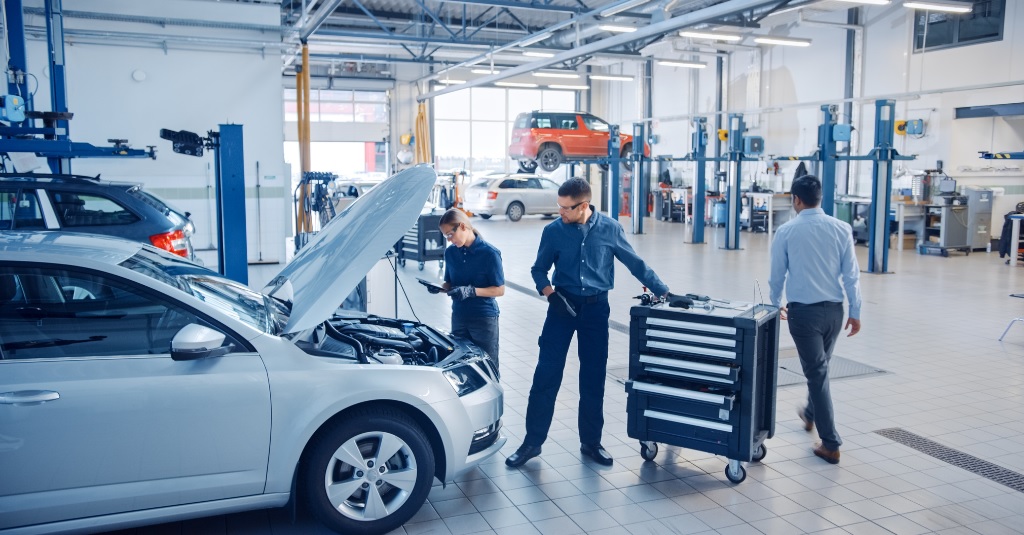
Car repair is far more than the process of restoring mechanical function—it is a nuanced discipline, where engineering, artistry, and trust entwine. As vehicles become increasingly sophisticated, the landscape of repair has transitioned from the realm of the grease-stained workshop into high-tech studios marked by diagnostic insight and meticulous care. In this exploration, discover how car repair today is not merely an obligation, but a refined partnership—transforming inconvenience into assurance and every fix into a mark of craftsmanship.
The Evolving Art and Science of Car Repair
Modern car repair operates at the confluence of tradition and technology—a transformation that has raised expectations and deepened responsibilities.
The Shift from Fixing to Foresight
-
Predictive Maintenance: Gone are the days of reactive repairs. Smart diagnostics and regular checkups preempt potential failures, preserving value and minimizing surprise.
-
Holistic Assessment: Diagnosis now draws on digital scans, careful observation, and conversations with drivers—a synthesis of data and human insight.
Values Underpinning Excellence
-
Transparency: The best repair professionals demystify every step, from estimate through execution.
-
Precision: Repairs favor the long-term health of the vehicle, not mere expedience.
-
Empowerment: Owners are educated partners, enabled to make informed choices about their vehicle’s care.
Anatomy of a Repair Journey
Every repair begins with a story—sometimes a warning light, sometimes the subtlest whisper of change. Understanding this journey ensures each problem is treated with diligence and clarity.
Discovery and Diagnosis
-
Visual Inspection: Technicians meticulously examine for leaks, wear, or damage, blending the old-school touch with today’s keen standards.
-
Digital Diagnostics: Modern vehicles communicate via onboard computers and scanning tools, exposing hidden issues and pinpointing solutions.
-
Driver Input: Your experience matters. Describing unusual noises, performance changes, or dashboard alerts can guide efficient and accurate troubleshooting.
The Repair Process
-
Selection of Parts: Wise shops consult with owners on the merits of genuine versus high-quality aftermarket and remanufactured parts, always mindful of safety and compatibility.
-
Systematic Execution: Trained hands follow manufacturer specifications—using torque wrenches calibrated to the decimal and carefully sequencing repairs to avoid collateral issues.
-
Validation and Quality Control: Post-repair inspections, from road tests to secondary scans, ensure that the problem is resolved and the vehicle restored to its intended standard.
The Core Domains: Where Repairs Matter Most
Today’s cars are a complex mosaic of systems; expertise across these areas is fundamental.
Powertrain Precision
-
Attending to oil leaks, timing systems, and sensor calibration preserves performance and prevents major engine wear.
-
Regular attention to spark plugs, belts, and filters offers longevity and a whisper-smooth drive.
Brake and Safety Systems
-
Pads, rotors, calipers, and hydraulic lines are checked and replaced with utmost caution—ensuring every stop is safe.
-
Advanced braking systems may require recalibration or electronic resets, a task for skilled technicians.
Suspension and Alignment
-
Worn shocks, bushings, and misalignments are quickly rectified; the result is improved stability, tire longevity, and comfort.
-
Suspensions are no longer just springs and struts—active and electronically controlled systems demand specialist skill.
Electrical and Digital Fluency
-
From batteries and alternators to infotainment updates and sensor replacements, electrical repair now veers into the territory of software and circuitry.
-
Diagnosis often combines digital scans with targeted multimeter testing to isolate problems invisible to the naked eye.
Climate and Comfort Solutions
-
Air conditioning service, heater repairs, seat adjustments, and remote entry systems maintain the driving pleasure once relegated to luxury models.
The Human Side: Skills and Softness
Behind every successful repair is a craftsman—part scientist, part steward of trust.
-
Continuous Learning: With automotive technology evolving rapidly, the best technicians commit to ongoing training and certification.
-
Communication: Clear explanations, any alternate options, and a willingness to answer questions at every stage are the hallmarks of true professionalism.
-
Empathy: Respect for client schedule, budget, and concerns fosters partnerships, not merely transactions.
Genuine Parts vs. Aftermarket: An Informed Choice
Selecting replacement parts is a decision balancing value, warranty, and performance.
| Aspect | Genuine Parts | Aftermarket Parts |
|---|---|---|
| Quality & Fit | Consistent with manufacturer | Varies—requires critical selection |
| Warranty Impact | Maintains coverage | Occasionally voids warranties |
| Cost | Higher | Typically more affordable |
| Availability | Steady for new models | Essential for older/rare vehicles |
Best practice: Rely on genuine parts for safety systems and high-wear components, and responsibly sourced aftermarket options for cosmetic or non-critical upgrades.
Responsible Repair: Embracing Sustainability
Modern repair is conscious of its environmental role.
-
Shops recycle old fluids, components, and even tires, minimizing landfill waste.
-
Remanufactured and recycled components offer quality alternatives with reduced environmental impact.
-
Eco-friendly shops integrate solar power, efficient lighting, and biodegradable cleaners, championing sustainability from floor to finish.
Selecting a Trusted Repair Partner
Choosing the right garage is as vital as the repair itself.
Key Attributes:
-
Certifications: Look for manufacturer authorizations and national network memberships.
-
Organization: Clean, well-ordered workshops signal pride and professionalism.
-
Transparency: Clarify estimates, process, and all terms up front.
-
Warranty Support: Reputable shops stand behind their work with robust guarantees.
The Empowered Owner: From Anxiety to Assurance
Smart ownership leans on vigilance and partnership.
-
Listen for changes—noises, sensations, drop-offs in performance. Early response mitigates cost and risk.
-
Keep service records—an organized log aids resale and streamlines troubleshooting.
-
Don’t hesitate to seek detail and second opinions; your confidence is part of quality repair.
Conclusion
In a modern world, car repair has emerged as a practice defined by precision, respect, and quiet expertise. When approached thoughtfully—by knowledgeable owners and skilled technicians alike—repair becomes more than a fix. It is an act of renewal, sustaining safety, trust, and the intrinsic value woven into every mile. The next time a worrisome sound or indicator appears, remember: repair is not a setback, but a refined opportunity to honor the partnership between driver and machine—an enduring investment in journeys still to come.

Comments are closed.