

Introduction
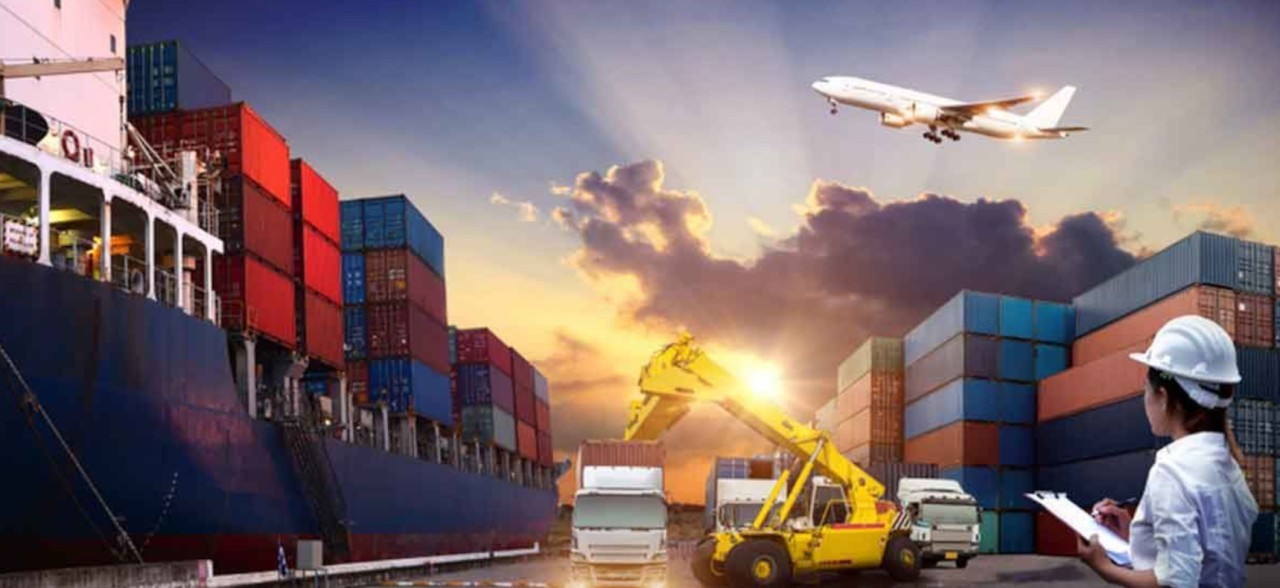
In the ballet of global commerce, logistics serves as the invisible conductor—choreographing the movement of goods, information, and value with silent mastery. What once conjured images of trucks and warehouses has evolved into a sophisticated discipline, integrating state-of-the-art technology, ecological responsibility, and collaborative foresight. Today, logistics is celebrated not for its brute force, but for its refinement, adaptability, and central role in forging connections across continents and cultures.
The Concept: Logistics Reimagined
Logistics encompasses far more than shipping and storage; it is the deliberate orchestration of flows—physical, informational, and financial—from origin to final destination.
Key Elements
-
Transportation Networks: Designing optimal routes by land, sea, air, and increasingly, last-mile urban delivery.
-
Warehousing and Inventory: Dynamic hubs that balance supply and demand, leveraging sophisticated systems to minimize waste and capitalize on precision.
-
Order Fulfillment: From digital order to doorbell ring, each transaction is a testament to coordination and strategic planning.
-
Information Transparency: Advanced tracking and data platforms provide real-time visibility and predictive intelligence.
From Ancient Roots to Digital Metamorphosis
Logistics traces its lineage to ancient empires—where military supply lines and caravan routes shaped the arc of history. Today, the field is reinvented by digital synapses, seamlessly connecting all nodes of global trade.
Milestones of Evolution
-
Industrial Era: Steam engines, railways, and the birth of standardized containers globally multiplied speed and scale.
-
Information Age: Satellite tracking, barcoding, and cloud-based management transformed opacity into clarity and enabled partners to respond in real time.
-
Modern Era: Artificial intelligence, automation, and IoT sensors empower logistics professionals to predict what will happen and optimize flow accordingly.
The Modern Vanguard: Technology as the Great Equalizer
In the contemporary landscape, technology is both canvas and brush.
Driving Innovations
-
Automation and Robotics: Smart warehouses bustling with robots streamline picking, packing, and restocking, reducing errors and labor intensity.
-
AI-Powered Optimization: Machine learning forecasts demand, optimizes routes, and mitigates disruptions before they escalate.
-
Blockchain for Trust: Immutable ledgers secure transparent supply chain tracking, shrinking fraud and delays.
-
Autonomous Vehicles and Drones: Self-driving trucks and delivery drones improve speed and environmental impact.
Data—the New Compass
Big data analytics enable logistics providers to visualize, calibrate, and optimize their networks, transforming complexity into finely tuned orchestration.
The Sustainability Mandate: Green is the New Gold
Environmental responsibility has become an intrinsic priority in logistics.
-
Fleet Electrification: Electric delivery trucks power cleaner urban distribution.
-
Circular Economy: Emphasizing returns, recycling, and refurbishing to minimize waste.
-
Eco-Friendly Warehousing: Solar energy, efficient lighting, and sustainable building materials reduce operational footprints.
Challenges on the Global Stage
Global logistics faces challenges that test resilience and innovation.
Dynamic Obstacles
-
Geopolitical Tensions: Disrupt trade routes and require agile responses.
-
Infrastructure Bottlenecks: Congestion at ports and outdated networks slow movement.
-
Labor Shortages: Push automation and skill development.
-
Cybersecurity Risks: Demand robust data protection and privacy measures.
The Human Element: Expertise, Adaptability, and Vision
Amid rapid technology adoption lies the irreplaceable role of human judgment.
-
Collaboration: Partnerships enhance flexibility and innovation.
-
Continuous Learning: Ongoing training keeps pace with evolving technologies.
-
Ethical Stewardship: Commitment to fair labor and environmental care strengthens trust.
Building Resilience: Strategies for Enduring Success
Logistics leaders craft a future-ready ecosystem through:
-
End-to-End Visibility: Real-time dashboards for proactive issue resolution.
-
Scenario Planning: Stress-testing networks prepares for uncertainty.
-
Agile Partnerships: Building networks that adapt and recover swiftly.
Logistics as a Competitive Advantage
Companies with sophisticated logistics can:
-
Accelerate Market Reach: Fast, dependable deliveries open new opportunities.
-
Boost Customer Satisfaction: Transparency and reliability create loyalty.
-
Lead Sustainability: Eco-conscious logistics appeals to conscientious consumers.
Conclusion
Modern logistics is the silent force fueling global connection and economic vitality. It weaves together cutting-edge technology, human intellect, and rising ethical standards to define how we produce, distribute, and consume. In mastering logistics, businesses and societies alike craft pathways—not only for goods but for progress itself, steering the world toward a more efficient, resilient, and conscientious future.

Comments are closed.