

Introduction
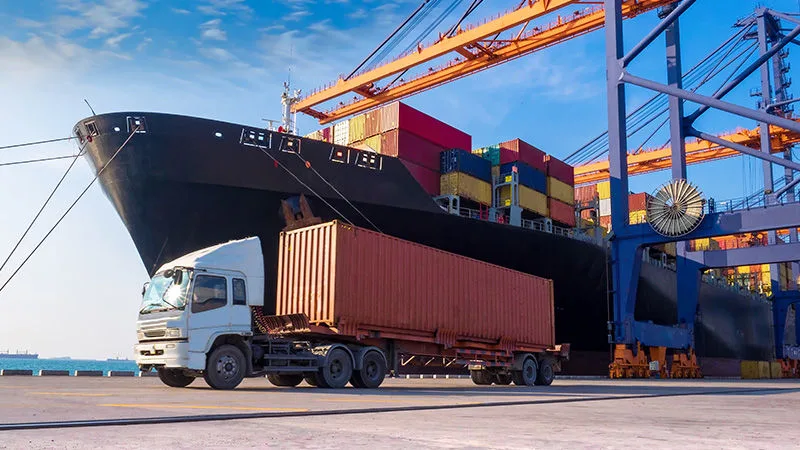
Invisible yet indispensable, logistics is the silent force animating modern society. Its orchestrated synchrony underpins everything from e-commerce’s instant gratification to the seamless availability of global goods in neighborhood stores. To understand logistics is to glimpse the underlying pulse of progress—a sophisticated interplay of foresight, design, technology, and trust. This article unveils the contemporary landscape of logistics, dissecting its artistry, challenges, and the principled agility that define its future.
The Meaning of Logistics: More Than the Art of Delivery
At its foundation, logistics is the harmonious management of moving goods, information, and resources from origin to destination. It is rooted not merely in transportation, but in the continuous optimization that binds disparate geographies, anticipates demand, and adapts to unpredictability.
Pillars of Logistics Mastery
-
Network Optimization: Crafting intelligent routing and hub placement to balance costs, speed, and reliability.
-
Warehousing Precision: Synchronizing supply and demand with adaptive storage systems, supporting everything from seasonal surges to just-in-time fulfillment.
-
Order Fulfillment: Bridging digital intent and physical reality; every online order is the result of dozens of coordinated hands and technologies.
-
Real-Time Visibility: Employing advanced tracking, predictive analytics, and data transparency to preempt delays and elevate responsiveness.
A Journey Through Time: The Evolution of Logistics
Logistics is a legacy discipline that reinvents itself with every age.
-
Early Origins: Tin-laden caravans and wooden ships carried not just merchandise but the seeds of civilization’s interconnectedness.
-
Industrial Awakening: Steam trains and telegraphs compressed continents, creating the first truly global supply chains.
-
Digital Renaissance: Barcode scanners, satellites, and cloud platforms transformed opacity into crystal clarity, birthing the modern, responsive supply chain.
-
The Age of Intelligence: Artificial intelligence, robotics, and big data now position logistics as a predictive, adaptive engine of economic flow.
The Technology Tapestry: Today’s Logistics Unleashed
Modern logistics has graduated from clipboards and guesswork to analytics-driven orchestration.
Pioneering Technologies
-
Automation and Robotics: In bustling warehouses, robots and cobots pick, pack, and sort with precision—maximizing throughput and minimizing human error.
-
Internet of Things (IoT): Smart sensors track temperature, shock, and location, turning assets into data sources and enabling seamless handoffs.
-
AI and Predictive Analytics: Learning from past patterns and real-time data, machine learning enhances demand forecasts, route optimization, and inventory management.
-
Blockchain: Immutable ledgers document every link in the chain, from source to shelf, building trust, and streamlining international compliance.
-
Autonomous Mobility: Drones and self-driving vehicles are reshaping last-mile delivery, broadening reach while shrinking urban congestion.
Sustainability: Logistics as a Steward of the Future
Logistics now shoulders an ecological responsibility equal to its economic role.
-
Fleet Electrification: Electric trucks and vans are cutting emissions, particularly in densely populated cities.
-
Green Warehousing: Solar arrays, LED lighting, and smart energy management reduce carbon footprints at every node.
-
Circular Supply Chains: Reverse logistics for returns, recycling, and remanufacturing closes the loop and extends the lifespan of resources.
-
Eco-Friendly Packaging: Reusable and biodegradable solutions are not only expected, but increasingly core to brand reputation.
Navigating Complexity: Challenges and Solutions
While logistics thrives on routine, its true excellence lies in managing variables—turning constraint into opportunity.
Core Challenges
-
Geopolitical Flux: Tariffs, trade disputes, and regulatory changes can instantly redirect flows and demand dynamic adaptation.
-
Infrastructure Limitations: Bottlenecks at ports, congested urban delivery zones, and aging roads all require agile workarounds and investment in redundancy.
-
Workforce Evolution: With automation on the rise, skill requirements shift—demanding digital fluency, creative problem solving, and lifelong learning.
-
Cybersecurity: Data, now the backbone of logistics, must be vigilantly protected against breaches and manipulation.
Resilience Strategies
-
End-to-End Visibility: Integrated digital platforms knit together disparate partners, providing live dashboards for proactive issue resolution.
-
Scenario Planning: Simulated disruptions and contingency blueprints empower rapid re-routing and sourcing alternatives in a crisis.
-
Collaborative Networks: Strategic alliances with suppliers, carriers, tech firms, and sometimes competitors foster collective resilience and innovation.
-
Continuous Improvement Culture: Feedback loops, iterative upgrades, and openness to new models keep logistics nimble in a shifting landscape.
The Human Element: Intelligence, Empathy, and Leadership
Beneath the code and conveyors, logistics is ultimately a human enterprise.
-
Expertise: Planners and operators translate abstract numbers into actionable decisions—balancing risk, cost, and customer promise.
-
Communication: Clear coordination across languages, cultures, and time zones transforms potential obstacles into shared victories.
-
Ethical Commitment: Responsible logistics honors safety, labor rights, and environmental stewardship, safeguarding communities and reputations alike.
The Future Unfolding: What’s Next for Logistics?
As technology advances and societal expectations escalate, logistics is poised for further reinvention.
-
Hyperconnected Ecosystems: Everything—from the product itself to the shipping container—communicates, self-corrects, and adapts in real-time.
-
Personalized Supply Chains: Tailored experiences predict not only what customers want, but where and when they want it—with delivery windows shrinking from days to hours.
-
Sustainable Partnerships: The most successful providers will be those who weave economic ambition with ecological and social responsibility—setting the standard for progress on a crowded planet.
Conclusion
Logistics, once relegated to the shadows of economic discourse, now stands as the architect of possibility and continuity. Its quiet precision ensures not only that commerce endures, but that the ideals of sustainability, innovation, and trusted partnership advance as well. To appreciate logistics is to honor the discipline that, like the foundation of a great city, supports every daily triumph, unseen yet essential. In its future, we find the contours of a world connected, efficient, and imbued with ever greater intent.

Comments are closed.