
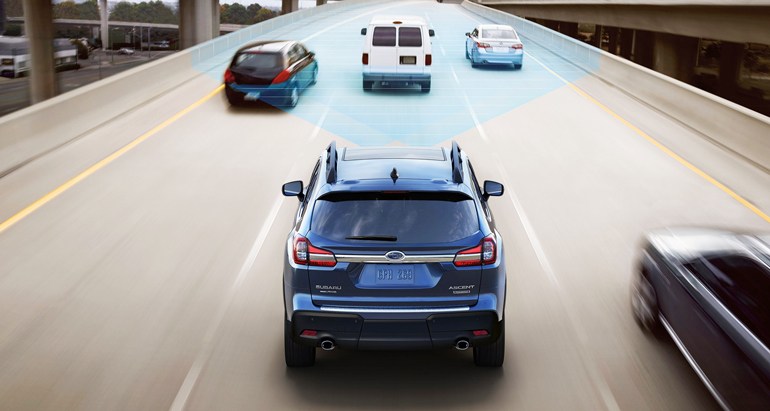

Driving safely is less about luck and more about awareness, anticipation, and fast decision-making. Whether you’re navigating busy city streets or cruising on highways, sharpening your road awareness and reaction time can significantly reduce accident risks and driving stress. The following smart driving tips focus on practical, real-world habits that make a measurable difference behind the wheel.
Understand the Importance of Road Awareness
Road awareness is the ability to observe, interpret, and predict what’s happening around your vehicle. It goes beyond simply looking ahead—it involves reading traffic patterns, understanding other drivers’ intentions, and recognizing potential hazards early.
Drivers with strong awareness tend to:
- Notice danger sooner
- Make smoother, calmer decisions
- React faster without panic
Improving this skill starts with changing how you look at the road, not how fast you drive.
Keep Your Eyes Moving, Not Fixed
One common mistake drivers make is staring only at the car directly in front of them. This narrows your field of vision and limits reaction time.
Smart visual habits include:
- Scanning 12–15 seconds ahead instead of just nearby traffic
- Regularly checking side mirrors every few seconds
- Using peripheral vision to track pedestrians and cyclists
By constantly shifting your focus, your brain stays engaged and ready to respond.
Maintain a Safe Following Distance
Reaction time shrinks when you’re too close to the vehicle ahead. Maintaining space gives you precious seconds to respond calmly instead of slamming the brakes.
A simple rule to follow:
- Use the three-second rule in normal conditions
- Increase to five or more seconds in rain, fog, or heavy traffic
More space equals more thinking time—and fewer sudden decisions.
Eliminate Distractions Completely
Even a brief distraction can delay reaction time enough to cause a collision. Multitasking while driving is a myth that compromises safety.
Avoid these common distractions:
- Checking or holding your phone
- Adjusting navigation while moving
- Eating or reaching for objects
If something needs attention, pull over safely. Focused driving is faster, smoother, and far safer.
Anticipate, Don’t Just React
Skilled drivers think ahead rather than responding at the last moment. Anticipation turns surprises into expected events.
Train yourself to:
- Watch for brake lights several cars ahead
- Slow down near intersections, even with a green light
- Expect sudden lane changes in congested areas
This proactive mindset keeps your reactions controlled instead of rushed.
Adjust Speed to Match Conditions, Not Limits
Speed limits are guidelines, not guarantees of safety. Road conditions often demand slower speeds for better control and awareness.
Reduce speed when:
- Visibility is low
- Roads are wet or uneven
- Traffic feels unpredictable
Driving slightly slower improves decision accuracy and reaction quality, not just stopping distance.
Strengthen Mental and Physical Readiness
Your body and mind directly affect how quickly you respond to hazards.
To stay sharp:
- Get enough sleep before long drives
- Stay hydrated and avoid heavy meals before driving
- Take breaks every 1–2 hours on extended trips
Fatigue slows perception and reaction time more than most drivers realize.
Use Defensive Driving Techniques Daily
Defensive driving isn’t about fear—it’s about preparation. Assume others may make mistakes and be ready to compensate.
Key defensive habits:
- Always have an escape route
- Avoid driving in blind spots
- Signal early and clearly
These techniques build confidence and reduce the need for sudden reactions.
Practice Calm Decision-Making Under Pressure
Panic causes poor reactions. Calm drivers make better choices, even in emergencies.
To stay composed:
- Take slow, controlled breaths during tense moments
- Avoid aggressive responses to other drivers
- Focus on control, not confrontation
A calm mind reacts faster and more accurately than a stressed one.
FAQ: Smart Driving and Reaction Time
1. How long does it take for a driver to react to a hazard?
On average, human reaction time while driving ranges from 1 to 1.5 seconds, but distractions and fatigue can significantly increase this delay.
2. Can reaction time be improved with practice?
Yes. Consistent defensive driving habits, awareness training, and focused driving can noticeably improve reaction speed over time.
3. Does driving experience automatically improve road awareness?
Experience helps, but conscious practice is essential. Bad habits can form without mindful improvement.
4. How does stress affect reaction time while driving?
Stress narrows attention, increases errors, and slows responses. Calm, focused drivers react more efficiently.
5. Are advanced driver-assistance systems a replacement for awareness?
No. These systems support drivers but cannot replace human judgment, anticipation, and attention.
6. Does physical fitness influence driving reaction time?
Yes. Better fitness improves alertness, coordination, and mental clarity, all of which support faster reactions.
7. What is the fastest way to become a more aware driver?
Eliminating distractions and actively scanning the road ahead are the quickest and most effective improvements.

Comments are closed.