
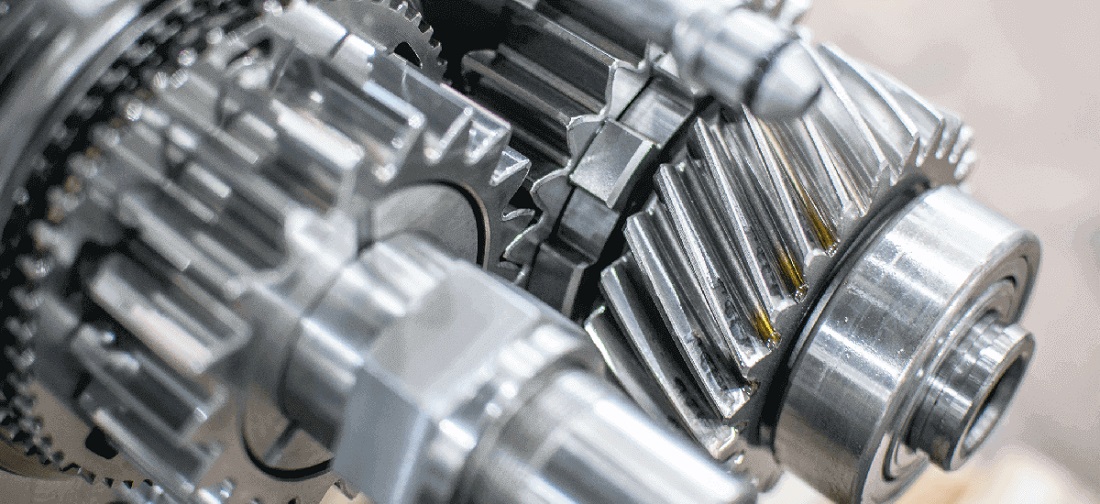

Smooth gear shifting is one of those driving qualities you notice instantly—either because it feels effortless or because something feels off. In automatic vehicles, that refined transition between gears depends on a network of precision-built transmission auto parts working together in perfect timing. When even one component underperforms, the result can be hesitation, jerks, or outright slipping.
Understanding how these parts influence shifting helps drivers recognize early warning signs and maintain long-term performance.
Why Smooth Gear Shifting Matters
Automatic transmissions are designed to adjust gear ratios seamlessly as speed and load change. When shifts are smooth, the vehicle accelerates efficiently, fuel economy improves, and internal wear is minimized. Rough shifting, on the other hand, often signals mechanical imbalance, hydraulic issues, or electronic miscommunication inside the transmission system.
Key Transmission Auto Parts That Control Shifting
Several core components determine how smoothly an automatic transmission shifts gears.
Valve Body
Often described as the control center of the transmission, the valve body directs pressurized transmission fluid to the correct channels.
-
Ensures precise timing of gear changes
-
Regulates hydraulic pressure
-
Even minor blockages can cause delayed or harsh shifts
Clutch Packs and Bands
Clutch packs engage and disengage gears as the vehicle accelerates or slows.
-
Worn friction material leads to slipping
-
Improper engagement causes shuddering
-
Healthy clutches ensure firm yet smooth transitions
Planetary Gear Sets
These gear assemblies provide different gear ratios without manual shifting.
-
Must remain precisely aligned
-
Damaged teeth can cause grinding or uneven shifts
-
Proper lubrication is critical for smooth operation
Solenoids
Solenoids are electronically controlled valves that respond to commands from the transmission control module.
-
Control fluid flow during shifts
-
Faulty solenoids often cause erratic shifting
-
Electrical failures can trigger limp mode
Torque Converter
The torque converter transfers engine power to the transmission while allowing smooth acceleration from a stop.
-
Acts as a fluid coupling
-
Lock-up issues can cause vibration during gear changes
-
Internal wear reduces shift smoothness at low speeds
The Role of Transmission Fluid
Transmission fluid is more than a lubricant—it is a hydraulic medium that powers gear changes.
-
Maintains correct pressure levels
-
Reduces heat and friction
-
Degraded or low fluid often leads to delayed or rough shifts
Using the correct fluid type specified by the manufacturer is essential, as viscosity and additives directly affect shifting behavior.
How Worn Auto Parts Disrupt Gear Shifting
As transmission parts age, tolerances change and responsiveness declines. Common symptoms include:
-
Hard shifts when accelerating
-
Delayed engagement when shifting from park to drive
-
Gear slipping under load
-
Unusual noises during transitions
These issues typically worsen over time, making early diagnosis critical.
Preventive Maintenance for Smooth Shifting
Routine maintenance dramatically extends transmission life and preserves shift quality.
-
Regular transmission fluid inspections
-
Timely fluid and filter changes
-
Addressing warning lights promptly
-
Avoiding aggressive driving habits
Proactive care keeps internal components synchronized and responsive.
When Replacement Parts Make a Difference
High-quality replacement transmission auto parts restore factory-level performance.
-
Precision-machined components improve engagement accuracy
-
Updated solenoid designs enhance electronic response
-
Rebuilt valve bodies correct pressure inconsistencies
Choosing well-manufactured parts can often resolve shifting issues without requiring a full transmission replacement.
FAQs
What causes an automatic transmission to shift roughly?
Rough shifting is commonly caused by worn clutch packs, faulty solenoids, contaminated transmission fluid, or valve body issues.
Can low transmission fluid affect gear shifting?
Yes, low fluid reduces hydraulic pressure, leading to delayed, slipping, or harsh gear changes.
How often should transmission fluid be changed?
Intervals vary by vehicle, but many manufacturers recommend servicing between 30,000 and 60,000 miles, depending on driving conditions.
Are electronic components important for smooth shifting?
Absolutely. Solenoids and control modules play a key role in timing and pressure control during gear changes.
Does aggressive driving damage transmission parts?
Frequent hard acceleration and abrupt stops increase heat and stress, accelerating wear on clutches and gears.
Can replacing solenoids fix shifting problems?
In many cases, yes. Faulty solenoids are a common cause of erratic shifting and can often be replaced individually.
Is it safe to drive with delayed gear engagement?
Occasional delay may not be urgent, but consistent hesitation indicates internal wear and should be inspected to prevent further damage.

Comments are closed.