
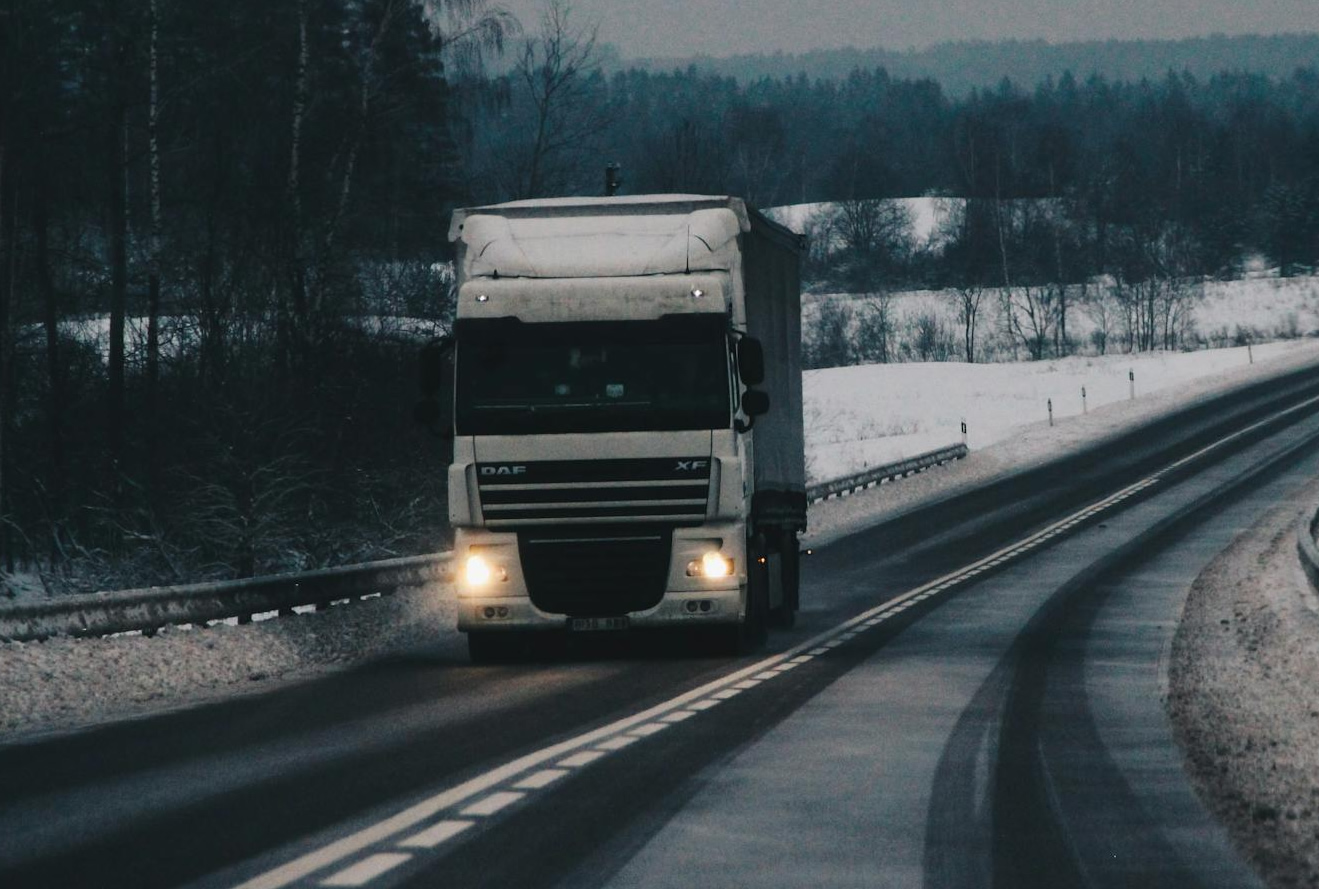

When travelling the length and breadth of the UK, one thing is certain: you’ll see a remarkable variety of trucks. From the towering artics pulling goods up and down the motorways, to the rigid lorries delivering to high streets, to specialist vehicles serving construction sites, the modern road network depends on them. Yet the landscape of trucks in Britain hasn’t always looked this way. Over the decades, the makes, models, and sheer technology on board have changed dramatically – and with it, the way these vital machines are maintained.
A Changing Fleet Across the Decades
In the post-war years, British manufacturers such as Leyland, ERF, Foden, and Bedford dominated UK roads. These names became synonymous with British haulage, producing robust vehicles designed for heavy loads and long hours. Leyland, for instance, was once the UK’s largest truck producer, supplying fleets across the Commonwealth, while Foden gained a reputation for its durable tippers and ERF for its efficient, lighter-weight construction.
By the 1980s and 1990s, the market was shifting. European makers such as Scania and Volvo began to win operators over with their blend of reliability, power, and driver comfort. Scania trucks, with their reputation for strong engines and distinctive styling, soon developed a loyal following among long-haul drivers. Volvo’s FH series, introduced in the 1990s, became a benchmark for innovation and comfort, and remains one of the most recognisable trucks on British motorways today.
Meanwhile, Mercedes-Benz brought German engineering to the market, delivering dependable, versatile vehicles such as the Actros, while DAF continued to strengthen its presence. With its production facility in Leyland, Lancashire, DAF became the last remaining mainstream truck builder manufacturing vehicles in the UK – a point of pride for many operators running its CF and XF ranges.
Other makes also earned their place on Britain’s roads. MAN trucks, with roots going back to early 20th-century Germany, carved out a reputation for efficiency, while Iveco, known for its Eurocargo and Stralis models, offered reliable options across distribution and long-haul sectors. Renault Trucks brought French innovation to the mix, with its Magnum range in the 1990s standing out for its spacious cab design that many drivers considered ahead of its time.
Today, the UK’s motorways and A-roads reflect this diversity. Whether it’s a Volvo FH pulling a refrigerated trailer, a Scania R-series delivering supermarket goods, a rugged Mercedes Arocs on a construction site, or a DAF XF hauling across the Pennines, each make brings its own strengths to the nation’s haulage industry.
More Than Just Muscle: The Rise of Technology
If the range of trucks has expanded, so too has their sophistication. Once purely mechanical beasts, modern trucks are now rolling computers. Electronic control units (ECUs) manage everything from braking and engine performance to emissions and driver assistance systems. Advanced telematics provide fleet managers with real-time data on fuel consumption, driver behaviour, and vehicle health.
Even the cab has transformed: air conditioning, ergonomic seating, satellite navigation, and infotainment systems are now commonplace. Safety too has improved, with features such as adaptive cruise control, lane departure warnings, and emergency braking systems helping to reduce accidents on UK roads.
Maintenance: From Spanners to Software
With these changes comes a major shift in how trucks are maintained. Decades ago, keeping a lorry on the road often meant nothing more than a skilled mechanic armed with a set of spanners, grease guns, and a good ear for engine knocks. Today, while traditional tools are still essential, they’re no longer enough.
Modern trucks require advanced truck diagnostic tools to communicate with onboard systems, read fault codes, and recalibrate components. Without these, even routine servicing can be incomplete. Mechanics have had to evolve into technicians, learning to use software-driven equipment as confidently as they once wielded a socket set.
Workshops now need to invest in specialist devices capable of covering multi-brand fleets, ensuring that operators running mixed trucks – common in the UK – can keep every vehicle roadworthy. With emission standards tightening and technology advancing rapidly, this demand for diagnostics will only grow stronger.
Looking Ahead
The future promises even greater diversity. With electric trucks beginning to appear in urban fleets and alternative fuels such as hydrogen under development, the evolution of Britain’s truck population is far from over. Brands like Volvo, Scania, and Mercedes are already trialling battery-electric and hydrogen-powered vehicles, while DAF has begun rolling out fully electric distribution models.
What remains constant, however, is the vital role trucks play in keeping goods, people, and industries moving across the UK. And while the makes and models may change, and the mechanic’s toolkit may now contain laptops alongside spanners, one thing is certain: trucks will remain the lifeblood of Britain’s roads – just more technologically advanced than ever before.

Comments are closed.