
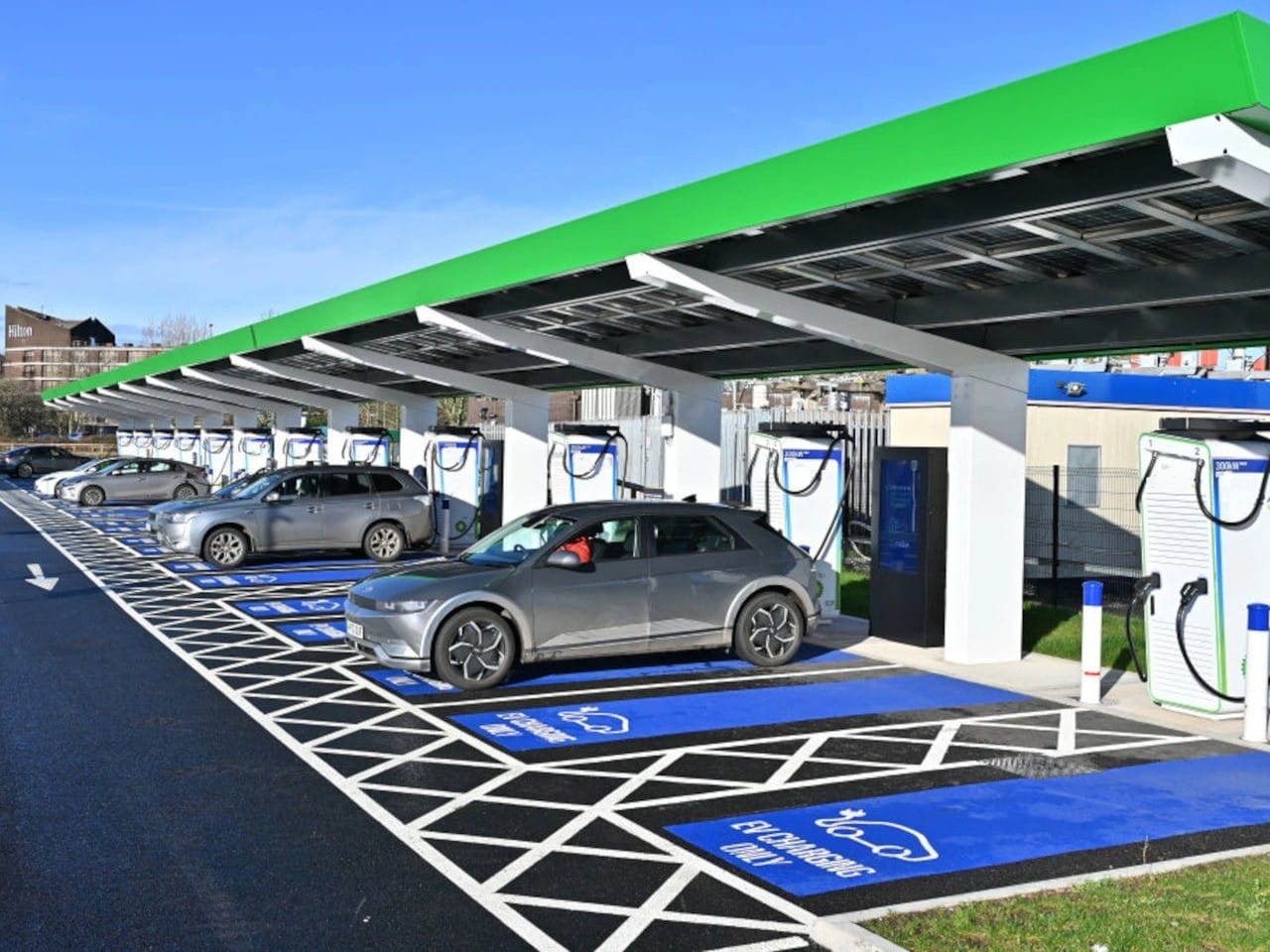

The global shift toward electric vehicles (EVs) is accelerating faster than many energy and transport systems were designed to handle. While EV adoption promises cleaner air, reduced emissions, and lower operating costs, its success depends heavily on one critical pillar: charging infrastructure. Understanding the challenges and opportunities in this space is essential for policymakers, businesses, and everyday drivers alike.
Why EV Charging Infrastructure Matters
Charging infrastructure is the backbone of electric mobility. Without reliable, accessible, and fast charging, EVs cannot realistically replace internal combustion engine vehicles at scale.
A well-developed charging network:
- Reduces range anxiety
- Encourages consumer adoption
- Enables fleet electrification
- Supports grid modernization and renewable energy use
Yet, expanding this infrastructure is far from simple.
Key Challenges Facing EV Charging Infrastructure
1. Insufficient Charging Coverage
Many regions still lack adequate charging stations, especially:
- Rural and remote areas
- Apartment complexes and shared parking spaces
- High-traffic corridors during peak travel seasons
This uneven distribution creates accessibility gaps and slows mass adoption.
2. Grid Capacity and Reliability Issues
Large-scale EV charging places new demands on existing power grids. Common concerns include:
- Peak load stress during high-demand hours
- Aging grid infrastructure not designed for high-capacity charging
- Increased risk of localized outages without smart load management
3. Long Charging Times Compared to Refueling
Even with fast chargers, EVs take longer to recharge than gasoline vehicles take to refuel. This can be problematic for:
- Long-distance travel
- Commercial fleets operating on tight schedules
- Urban drivers without overnight charging access
4. High Installation and Maintenance Costs
Deploying charging stations involves:
- Electrical upgrades
- Land acquisition or leasing
- Ongoing maintenance and software updates
For private operators, profitability can be uncertain, especially in low-utilization areas.
5. Lack of Standardization
Different connector types, payment systems, and software platforms can frustrate users. A fragmented ecosystem results in:
- Inconsistent user experiences
- Limited interoperability across networks
- Higher costs for manufacturers and operators
Opportunities Driving the Expansion of EV Charging
Despite these challenges, the charging landscape offers enormous potential for innovation and growth.
1. Smart Charging and Grid Integration
Smart charging systems can dynamically adjust charging speeds based on grid demand, electricity prices, and renewable energy availability. Benefits include:
- Reduced strain on power grids
- Lower charging costs for users
- Improved use of solar and wind energy
2. Growth of Fast and Ultra-Fast Chargers
Advancements in DC fast charging are significantly cutting charging times. Ultra-fast stations along highways are making long-distance EV travel increasingly practical.
3. Public–Private Partnerships
Collaboration between governments, utilities, and private companies is accelerating deployment by:
- Sharing infrastructure costs
- Offering incentives and subsidies
- Reducing regulatory hurdles
These partnerships are critical for scaling networks quickly and equitably.
4. Urban Planning and Real Estate Integration
New buildings and city developments are increasingly designed with EV charging in mind. Opportunities include:
- EV-ready parking mandates
- Workplace charging installations
- Integration with smart city infrastructure
5. Technological Innovation
Emerging technologies are reshaping the charging experience, such as:
- Wireless charging embedded in roads or parking spaces
- Vehicle-to-grid (V2G) systems that allow EVs to supply power back to the grid
- AI-driven charging management platforms
6. Economic and Job Creation Potential
The expansion of charging infrastructure supports:
- New jobs in installation, maintenance, and software development
- Growth in clean energy and mobility startups
- Long-term economic resilience through energy diversification
The Road Ahead
Solving EV charging challenges requires coordinated action across sectors. Investments in grid modernization, standardized systems, and user-centric design will determine how quickly electric mobility becomes the norm. At the same time, technological and economic opportunities make charging infrastructure one of the most promising frontiers in the clean energy transition.
Frequently Asked Questions (FAQ)
1. How long does it typically take to charge an electric vehicle?
Charging time varies by charger type, battery size, and vehicle model, ranging from under 30 minutes with fast chargers to several hours using standard home chargers.
2. Are home EV chargers better than public charging stations?
Home chargers offer convenience and lower costs, while public chargers are essential for long trips and drivers without private parking.
3. Can the existing power grid handle widespread EV adoption?
With upgrades, smart charging, and renewable integration, grids can support EV growth, but proactive investment is necessary.
4. Why are EV chargers often unavailable or out of service?
High usage, limited maintenance, and software issues can lead to downtime, highlighting the need for better network management.
5. Will EV charging become cheaper in the future?
As technology improves and competition increases, charging costs are expected to decrease over time.
6. What role do renewable energy sources play in EV charging?
Renewables can significantly reduce emissions from EV charging when integrated with smart grids and energy storage.
7. How does EV charging infrastructure impact property value?
Properties with charging access often see increased attractiveness and long-term value, especially in urban and commercial settings.

Comments are closed.